
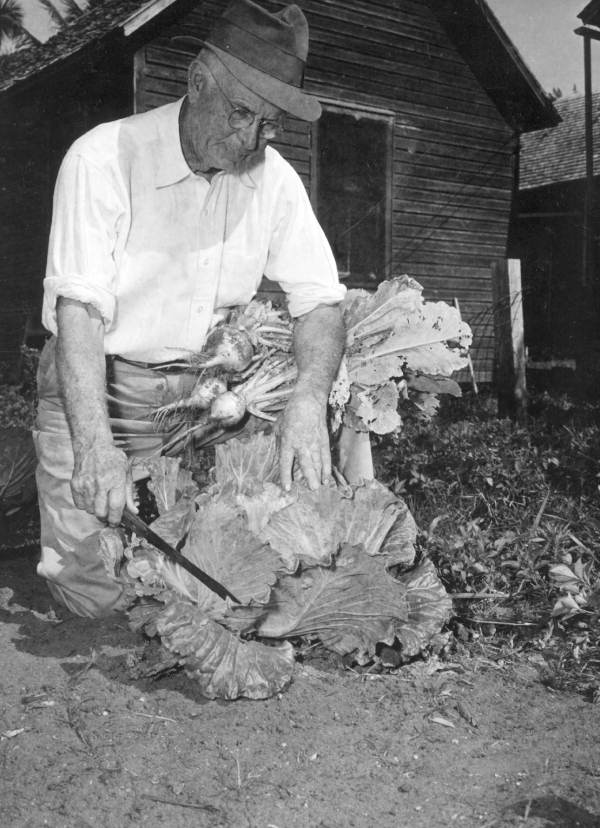
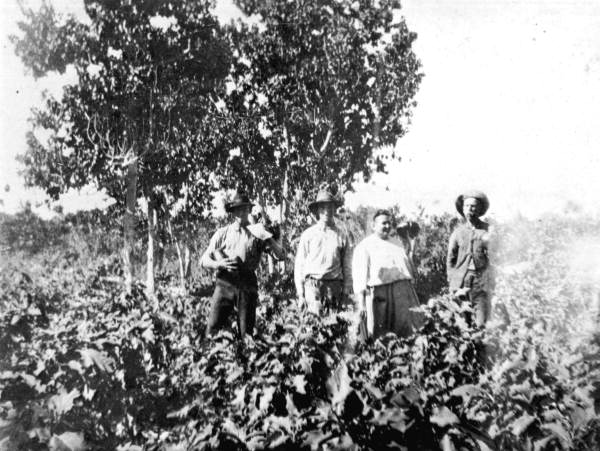
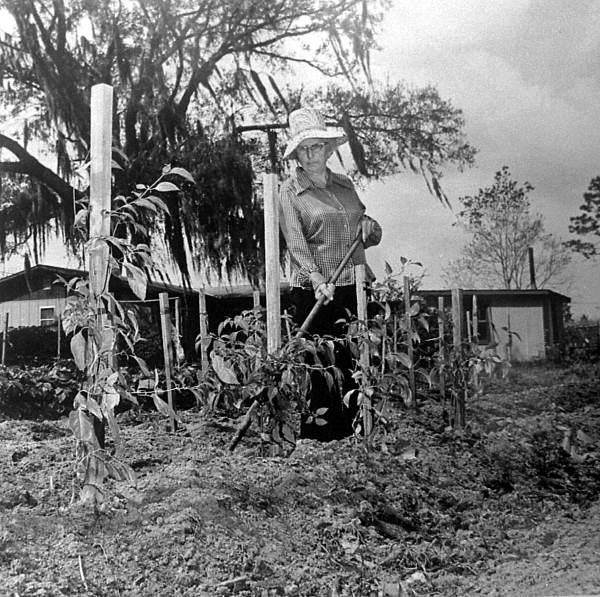
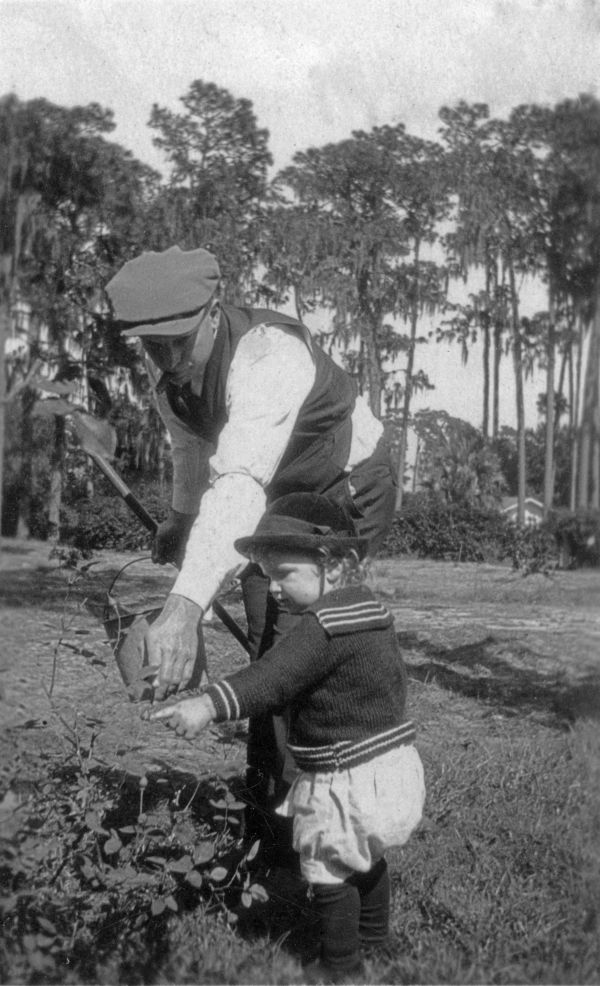
For many generations, families have relied upon gardens in, around, or near their homes. Predating the prevalence of grocery stores, gardens of all sizes have helped to make ends meet for people all over the world. And, in times of economic uncertainty or political upheaval, the ability to feed oneself or family members was an invaluable relief for people of all walks of life.
Yet, as times have changed, people have moved in and out of cities and carefully manicured lawns have replaced vegetable gardens. Today, many people have lost touch with the simple joy that comes from growing their own food.
While some cite a lack of space or money as a reason for not starting a garden, the beauty of gardening lies in its ability to be scaled up or down as space and finances allow. And as the urban farming movement has grown, more and more people have embraced small windowsill herb gardens, window box vegetable patches, and container gardens clustered on balconies. From rooftops to vacant lots, the urban farming movement and a resurgence of community gardens have led to people returning to old ways and looking to history for inspiration.






In Your Own Backyard
For many, the idea of starting gardens from scratch (or seed as it were) can be daunting so many of us budding gardeners have started with a type of historical foraging. By looking back in time at traditional recipes (particularly those predating the proliferation of Jello molds – all bets were off by that point), it can be much easier to find vegetables, herbs, and even fruits that grow well in your region. After all, how would earlier residents have built traditional recipes if not on what was readily at hand?
For many, a successful jumping off point for historical recipe foraging are the periods that include both the Great Depression and World War II. Why?
Let me tell you!
During the Great Depression, many people went without the comfort foods that we think of today. For instance, many families (particularly those on the famous or infamous bread lines) relied primarily on food staples like bread and soup unless they were able to grow, hunt/fish, or trade for locally grown fresh foods. In my home state of Florida, there are countless stories of families living off of local fishing and hunting supplemented by their garden or of families that created intricate trading operations to barter their small crop of oranges for tomatoes and, in turn, the tomatoes for other nutrient dense vegetables like spinach or radishes. As a result, many depression-era recipes feature plants and game that are native or grow well in the surrounding area.
Similarly, during World War II, people all across the United States were encouraged to plant and harvest from Victory Gardens! With slogans like “Our Food is Fighting,” the idea behind victory gardens was that the harvested produce would help rations stretch further and would free up farmers to grow food for the war effort rather than just the homefront.
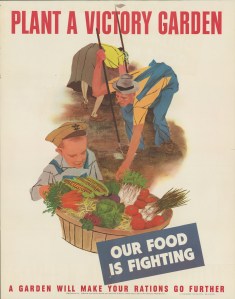
Ultimately, history and historic recipes show us what can be done when food is sparse, too expensive, or otherwise unavailable. With a reliance upon local fruits and vegetables, many recipes from various areas throughout the country can be an excellent place to start when considering what to plant in a home garden.
Recycle, Reuse, Regrow
Along similar lines, many people find access to seeds or to already sprouted plants difficult or (in some cases) nearly nonexistent.
To people in areas with limited access to seeds or to gardens, nurseries, and greenhouses, history also teaches us about plants that grow well from scraps and even some which can grow entirely in water (requiring no soil – and, therefore, less investment for budding urban farmers).
Among the foods that grow from scraps, you can recycle, reuse, and regrow vegetables like lettuce, onions, celery, potatoes, and scallions as well as herbs like fennel and even pineapples!
So…Get Creative!

From container gardens to growing vegetables in the hull of a damaged boat, there seem to be a million different ways to find space for plants. For those in tight quarters (a.k.a. all of us in small apartments), there remains a number of ways to make space for plants. For instance, a row of cleaned out pasta sauce jars filled with water can serve as the perfect beginner garden for regrowing those kitchen scraps.
So, in honor of National Garden Month, take a few minutes and think about the vital role that gardens have played for years in your own area. While you’re at it, perhaps try to find a few spots in or near your home where you might be able to try your hand at gardening! Or, try out some of the other activities below.
Activity #1: Walk the Walk
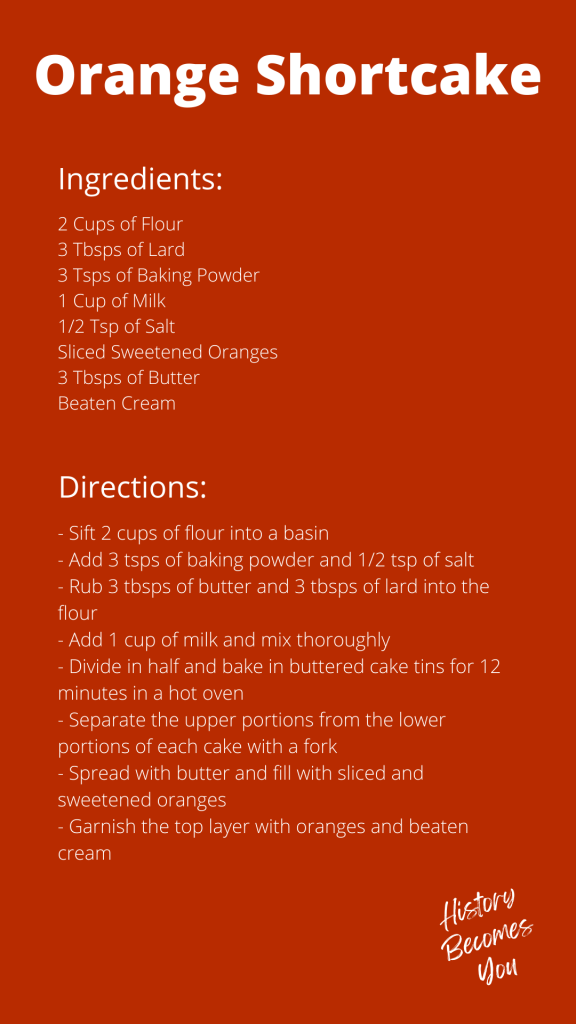
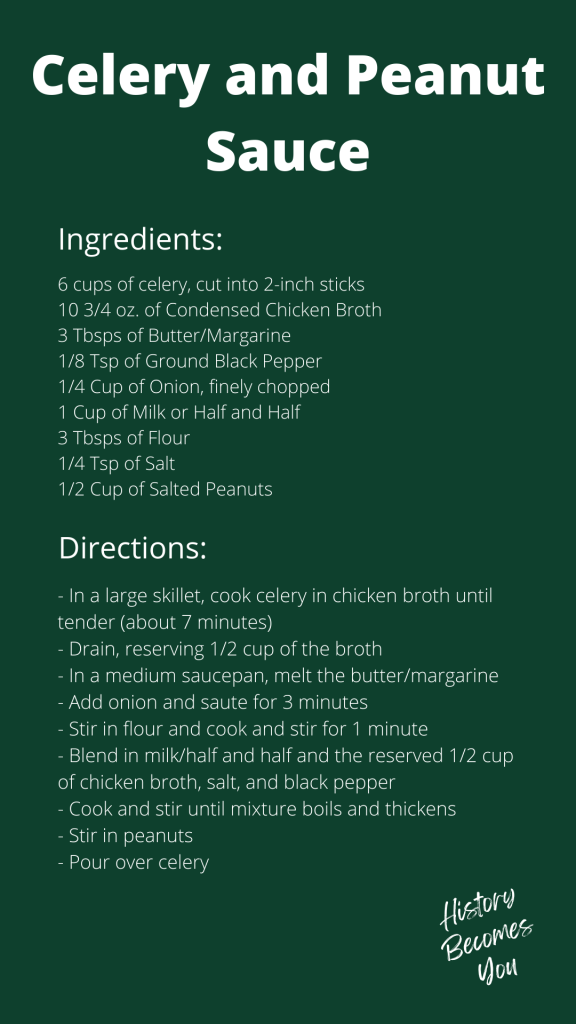
Try one of these local recipes and let us know what you think of these historical foraging nuggets! Want to try something from your area? Check local newspapers and historical cookbooks from your region to find recipes centered on your local produce!
Activity #2: Try Your Green Thumb
The next time you are at the grocery store, look for the following items in the produce section: scallions, onions, potatoes, or fennel. If you are already purchasing any of these items, try regrowing from the scraps.
Looking for other options to start your gardening adventure? Check out our National Garden Month board on Pinterest for a few tips and tricks for budding gardeners.
If you already have a green thumb, show off your hard work by documenting your own garden online! What are you growing? How are you kicking off spring in your garden? And what do you plan to plant next?
Activity #3: National Garden Month
Do you know much about National Garden Month? Try looking into your area’s local agricultural history! Stumped and don’t know where to start? Try answering some of these questions:
- Are there any nearby farms or public/community gardens in your area?
- Are there any gardening classes or clubs in your area?
- Do any of the nearby schools have either a 4H Club or a Future Farmers of America Club?
- Are there any projects in your area focused on teaching people how to grow their own food?
Throughout the month of April, you can learn more about National Garden Month and the ways that people are celebrating it by following #nationalgardenmonth on Instagram, Facebook, and Twitter!
Did you learn something new about the agricultural history of your area? Did you try your hand at gardening? How did you choose what to plant?
Share your activity results with us on social media by tagging History Becomes You and by using #historybecomesyou !
Check back next week for the next of many peeks into history as we continue to celebrate National Garden Month!
 History Becomes You
This post shared a lot of interesting gardening history and great pictures! I never knew that April is ational Garden Month. I agree that everyone can find a way to plant something, no matter what kind of living space. Growing our own fruits and vegetables also gives us control over what, if any, chemicals are used. And, there’s nothing like fresh out of the garden taste! I’m looking forward to your next post.
LikeLiked by 1 person