

So much of Florida’s draw relies on the state’s stunning natural beauty. From glistening beaches to crystal clear springs, Florida’s residents and visitors alike have flocked to this tropical paradise for generations. But, with great natural beauty, comes great responsibility.

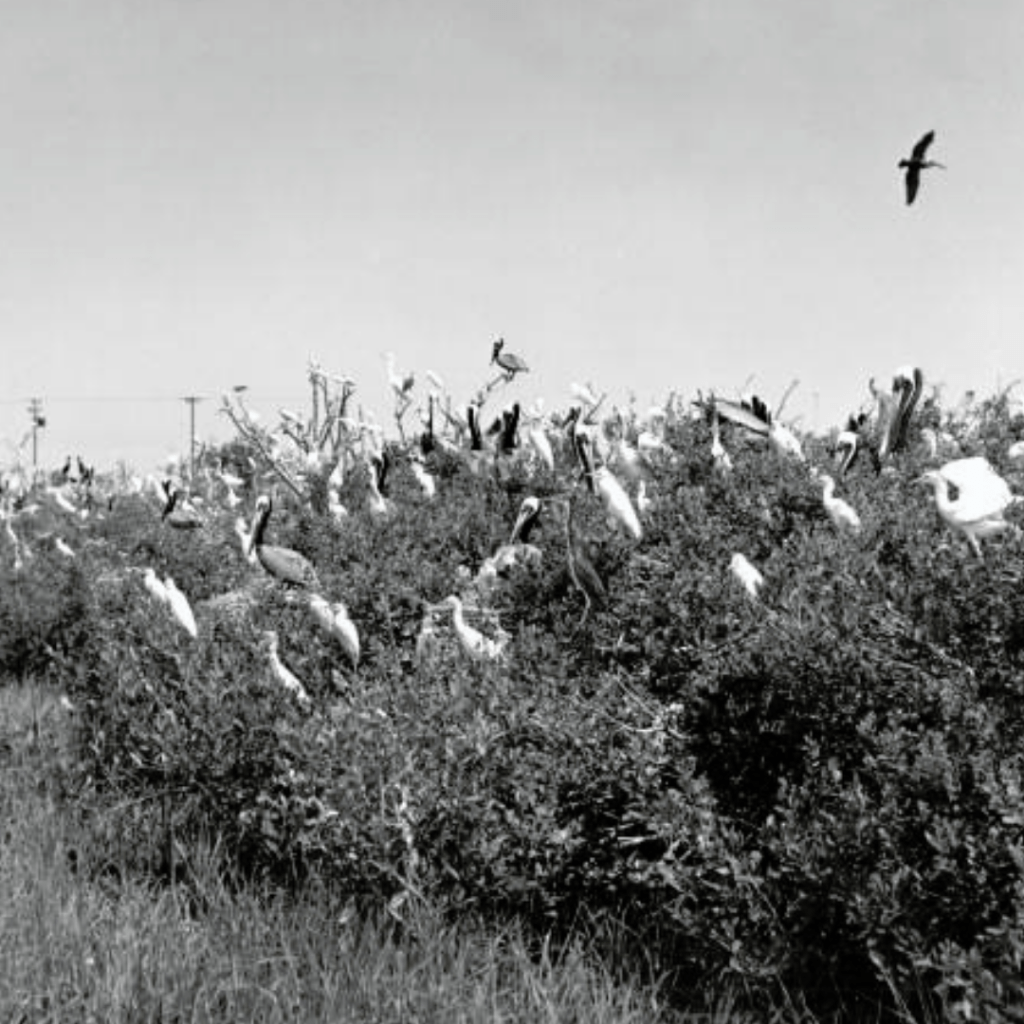
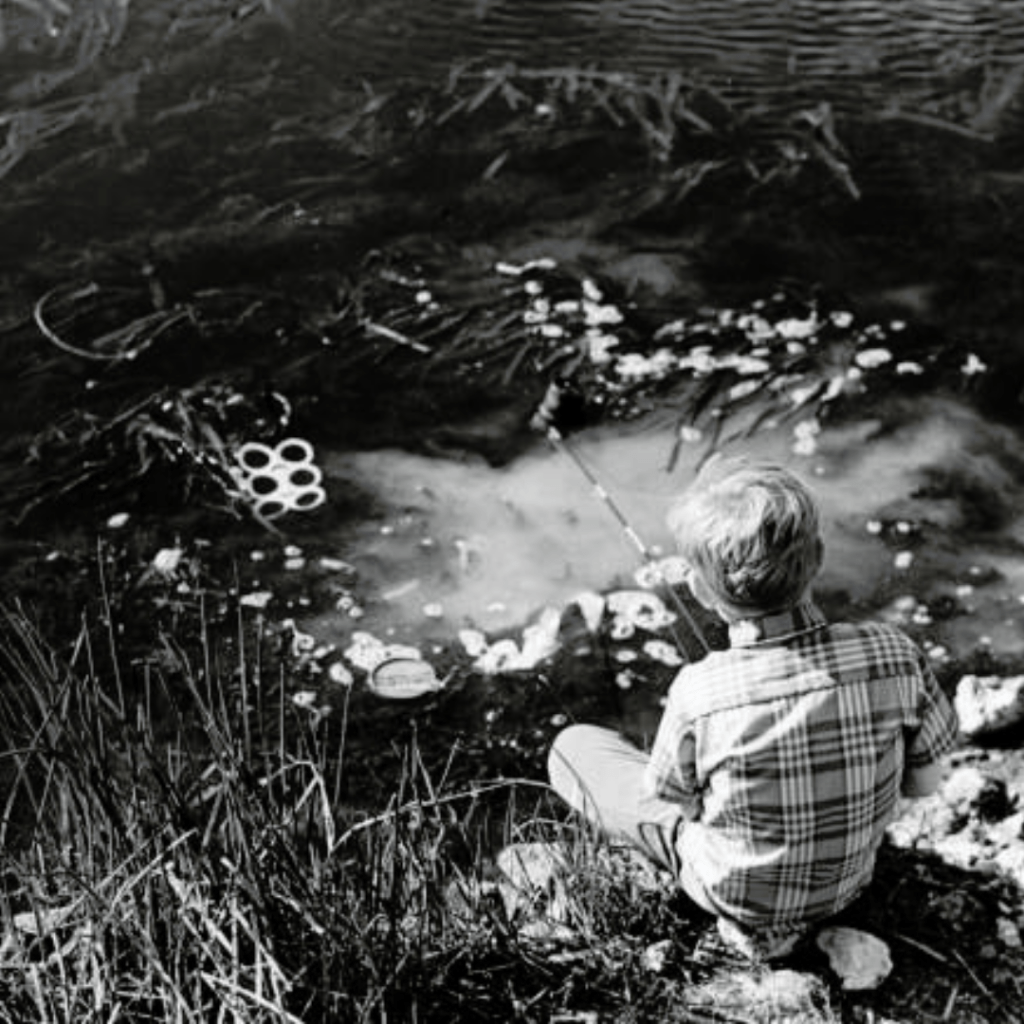
For many of the people who have grown up in Florida, memories of sunny beaches and even performing mermaids coexist along with memories of banding together with friends and family to take part in clean up operations throughout the Sunshine State. Sometimes in an effort to tidy the shore line of trash and other debris and other times in an effort to reverse the effects of pollution and mismanagement, these clean ups have forged several generations of ecowarriors. And many of these individuals have continued to stand up and protect Florida’s stunning scenery from becoming choked with invasive species, littered with garbage, or toxic from chemicals and pesticides.
In fact, for more than 30 years, Floridians and visitors have harnessed the power of people to remove thousands of pounds of trash and debris from the state’s shorelines and waterways. For instance, just a few months ago, in September 2021 as part of International Coastal Cleanup Day, more than 50 cleanups were held throughout Miami-Dade County alone. These involved over 3,000 volunteers who pulled a massive 17,771 pounds of garbage from areas including Elliott Key, Biscayne National Park, and Oleta State Park.
An additional 200 pounds of trash were collected by cleanup teams in neighboring Broward County (including more than 1,000 cigarette butts).
And a further 200 pounds was collected in Virginia Key.
That’s not to mention the 1,400 pounds of debris removed from the MacArthur Causeway area or the 2,000 pounds of trash pulled out of the Miami Marine Stadium basin.
According to Ocean Conservancy (a nonprofit environmental advocacy organization involved in many Coastal Cleanup events throughout the world), the top five types of trash removed in recent cleanups included:
- Cigarette butts
- Food wrappers
- Plastic bags
- Plastic bottles
- Bottle caps
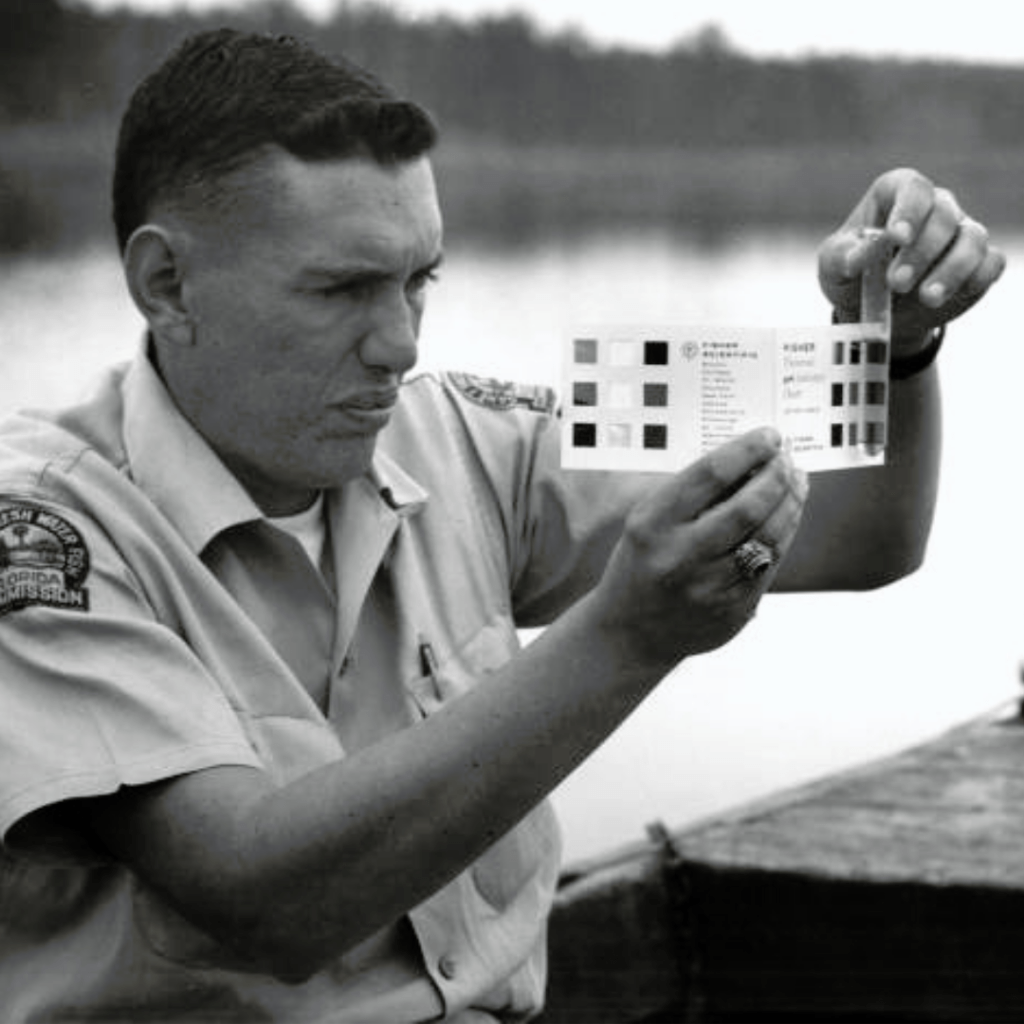
Yet, as thousands of pounds of trash and debris are removed from Florida’s coastlines and waterways each year, many of the people fighting to conserve the natural draws of Florida are a mixture of dedicated volunteers and professionals. These groups work together not only to clean up shorelines, but also to monitor pollution and its effects on plant and animal populations throughout the state.
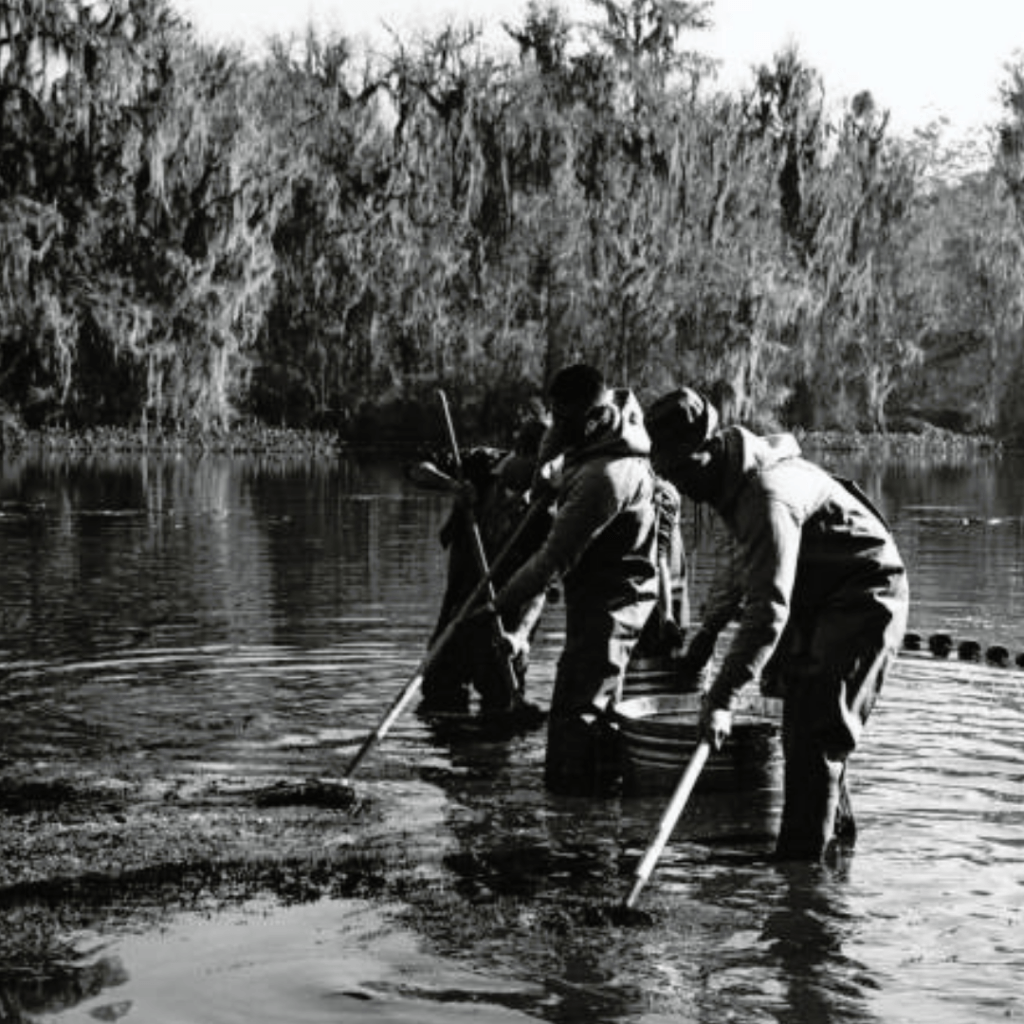
But what many people don’t realize is that, in addition to the monumental efforts undertaken by cleanup crews throughout the state, environmental professionals have been working behind the scenes for decades to monitor other risks to the Florida ecosystem as well. From invasive species to the loss of natural habitats, this work has led to a number of laws focused on the protection of the state’s critical ecosystems.
From the Clean Water Act and Clean Air Act to the Superfund Sites program, Floridians have made it clear that protection of our natural beauty is an important part of living in and visiting the Sunshine State. In addition to the legislative protection, Florida has also identified more than 120 endangered and threatened plant and animal species – many of which are actively monitored and their habitats protected throughout the state. Although some protection attempts are well-known, such as communities turning out lights near beaches to protect baby sea turtles during nesting season, others are truly grassroots efforts such as the efforts of volunteers throughout the state to replant acres of seagrasses and mangroves.
But don’t become disheartened because there are many ways that we can all help protect endangered species and ecosystems both in Florida and wherever you call home. Interested in getting involved or learning more about your home state’s natural environment? Check out either of the two activities below!
*All images courtesy of the Game and Fresh Water Fish Commission Collection, Florida State Archive
Activity #1: Get to know your natural state
First: Identify at least 3 preserves or state/national parks in your state.
Second: Identify at least 3 endangered species (plants or animals) in your state and research the causes behind their endangered status. Were their habitats destroyed? Have they been hunted? Has pollution or changes in air and water quality led to a population decline?
Third: Find a way to get involved in protecting your nature. Find a cleanup or environmental event in your area and take part! Getting outside and having fun with others is a great way to help the environment and preserve your neck of the woods.
Activity #2: Recycle, Reduce, Reuse
Based upon the list below of common trash removed in cleanups around the world, identify at least 3 ways that you can limit your use of these items or at least 3 ways that you can ensure they are disposed of in the safest way possible.
Most Common Types of Trash Found on Beaches
- Cigarette Butts
- Food Wrappers
- Plastic Straws
- Plastic Bottle Caps
- Plastic Bottles
- Plastic Bags
Every little bit helps! And, although no one is perfect, each small change we can make helps the environment and our future!
Did you try out this activity? What are some of the ways that you are pitching in for the planet? Share your activities with us on social media by tagging History Becomes You and by using #historybecomesyou !
Check back in next week for the next of many peeks into history!
 History Becomes You
I’m enjoying this blog! Both posts have been thought-provoking and the activities offer action in addition to the education. This week’s post about the environment provided specific information, reminding me what we all sadly see as we enjoy the outdoors – trash! It also led me to research the wonderful state parks set aside for us. We have camped at several state parks-Hillsborough River, Rodman, Kissimmee, Suwannee River, Little Manatee River, and, most recently, Mike Roess Gold Head Branch. My research revealed that the Florida state system of parks began in 1935. The Civilian Conservation Corp, responsible for erecting buildings and clearing trails in many of these parks, is an interesting topic on its own. As for endangered species, I always think of the Florida Panther, which has little habitat left. Manatees, which were downgraded to threatened, are apparently dying in record numbers, often due to loss of the seagrass they eat related to water quality issues. The list of endangered and threatened species goes on! Too many people and too much development!! I’m going to continue cleaning up at the campsites we visit and around the area in which we live, using fewer plastic bags, and recycling. The state park system also has a campaign to plant trees – $1 per tree, which make nice and meaningful gifts for birthdays, etc. I plan to take a long look at the voting records of politicians running for office to see what they have done for our environment. We certainly have so much amazing life in this state! I’m inspired once again to do my part to help protect it as, thankfully, many people have in the past. By the way, where can I get one of those flowered tubes shown in the picture? 😄 Looking forward to your next post!
LikeLiked by 1 person
The history of state parks and the Civilian Conservation Corps are both FASCINATING topics! With so much to learn out there, I am excited to see how the post activities are inspiring history buffs and eco-warriors alike! Keep leaving nature better than you found it and thank you for all that you are doing to protect the natural environment!
LikeLike