
For many people of the past, the idea that people in the center of civilization lacking access to food would have seemed impossible to fathom. Scenes of starvation during the Dust Bowl or of bread lines during the Great Depression offer a stark comparison to what appears to be convenient access to food today, but the nutritional quality of these foods
What Is a Food Desert?
The term “food desert” refers to an area or region that is considered nutritionally underserved – otherwise described as an area with limited or no access to healthy foods. Misunderstood for many years, the concept of food deserts appeared to be an oxymoron. Afterall, how could areas with so many convenience stores be experiencing food insecurity?
Yet, it is this proliferation of convenience stores and the highly processed foods and drinks sold therein that create problems for those living amongst them. For many food deserts, a combination of lower-income communities and a lack of healthy food create a higher risk for diseases such as heart disease, diabetes, high blood pressure, and other obesity-related health issues. Afterall, when a community’s primary source of food sells high priced food staples or affordable chips, candy, and sodas, the declining health of that community seems almost inevitable.
Furthermore, and perhaps unsurprisingly, many of these food deserts are found in communities of color across both urban and rural areas. For many, the policies and decisions that led to the creation of food deserts began with racial and ethnic policies stemming back to the Jim Crow era for some and back to colonialism and the advent of the reservation system for others.
A Quick History
In fact, a number of studies have been done which document the exodus of food sources from the cities to the suburbs in hot pursuit of the shifting middle-class families. Once established in the suburbs, these grocery stores and supermarkets created scaled economic systems that perpetuated the trend, leaving rural and urban areas to become food deserts as their stores and goods became freely available just outside of their reach.
In their place, convenience stores and small, often overpriced shops, moved into these areas and, ultimately, became the only option for nearby people as some communities found themselves more than an hour away from the nearest grocery store.
Who Experience Food Deserts?
For many experiencing food insecurity, the term “food desert” has come to describe communities that meet some or all of the following factors:
- Food deserts often have unhealthy options for food with a disproportionate abundance of fast food chains and convenience stores.
- Food deserts often have community members who are already experiencing or are at a higher risk for health issues due to the poor quality of diets and a reliance upon highly processed foods.
- Food deserts are often found in lower-income communities.
- Food deserts are often experienced by communities of color to the extent that some researchers have even begun to use the term “food apartheid” to describe the correlation and to reference the policies that led to the creation of food deserts.
- Food deserts are found in both urban and rural areas due to a two-fold issue of access – access to healthy alternative foods and access to transportation. Although both urban and rural food deserts face similar issues of food insecurity, for many urban food deserts, the primary concern is the disproportionate amount of processed foods while, for the rural food deserts, the primary concern is a lack of access to geographically distant supermarkets.
How can Gardening Combat Food Deserts?
Urban Farming and Urban Gardening Movements
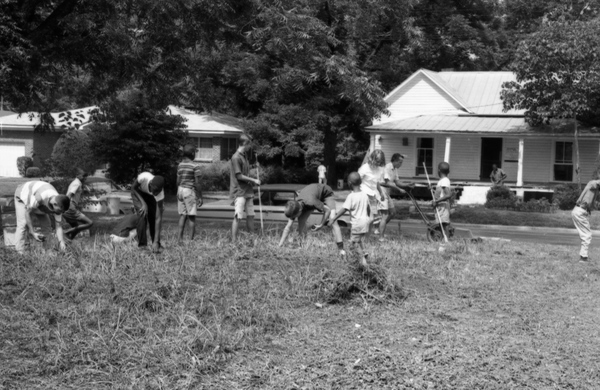
For many, the urban farming movement has begun to grow and gain broader attention in recent years, moving into vacant lots and open rooftops in large cities such as Chicago and Detroit. Seen by some as a type of revolution, the urban farming and urban gardening movement focus on creating food and financial security for people in urban food deserts. Taking into account the social implications of vacant lots and reclaiming these spaces to provide for community needs, phrases like “Mowtown to Growtown” have begun to capture the spirit of the movement as it surges forward. From offering local gardening classes to organizing free plant giveaways, the urban farming and gardening movement continues to help community members provide for themselves through personal and community gardens in some of the least expected locations.
Indigenous Food Sovereignty Movement
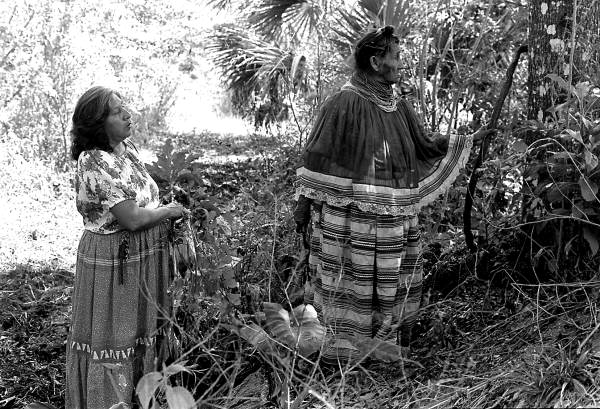
The indigenous food sovereignty movement has taken on many forms over the years. From access rights to fishing on the Klamath River for the Yurok people to foraging and cultivation of traditional foods by the White Mountain Apache Nation, the concept of food sovereignty has become more than a movement. The broader movement goal remains the same – an end to long term food insecurity as well as a reconnection to traditional foods and foodways. In celebrating centuries-old knowledge, values, and wisdom, indigenous communities have found ways of creating a restorative framework for policy reform in forestry, fisheries, rangeland, environmental conservation, health, agriculture, and community development.
One prime example of indigenous food sovereignty in action is The People’s Farm, on the White Mountain Apache Reservation which seeks to reconnect the community to its food, traditional lifestyles and, ultimately, a healthier mindset. It offers mentorship to young indigenous farmers and is challenging the effects of food deserts on the health of indigenous communities.
Originally started in 1980 as a for-profit farming venture, The People’s Farm (Ndee Bikiyaa) has been redeveloped into a community food initiative and sells its produce to community members at cost through farmers markets. It has taken on further community roles through organizing community events, workshops, and festivals while also playing host to a team of volunteers, interns, and seasonal employees. Additionally, the farm also supports school garden construction, facilitates gardening workshops for the community, and nutrition education. Its team’s dedication to preserving traditional foods and restoring the land to health has reconnected many people to their heritage and continues to serve as a model for burgeoning farmers around the world.
Activity #1: Find Your Local Roots during National Garden Month
Do you know much about National Garden Month? Try looking into your area’s local agricultural offerings! Stumped and don’t know where to start? Try answering some of these questions:
- Do you know about any community gardens in your area?
- Do you know of any gardening classes in your area?
- Do you know of any plant giveaway events in your area?
If you can find any of these kinds of programs in your local area, look for ways to get involved or for ways to take advantage of these offerings and learn more. Getting involved with the urban farming and gardening movement can be as easy as visiting a community garden or picking up a free plant at a giveaway event!
As we wind down the month of April, you can continue learning more about gardening and the ways that people continue celebrating all year long by following #gardening on Instagram, Facebook, and Twitter!
Interested in learning more about some of the movements we discussed in today’s post? You can follow along by following #urbanfarming and #urbangardening on Instagram, Facebook, and Twitter!
Did you learn something new about the agricultural history or food security of your area? Did you try your hand at gardening?
Share your activity results with us on social media by tagging History Becomes You and by using #historybecomesyou!
Check back next week for the next of many peeks into history!
 History Becomes You